

Compensation communicates more than money — it communicates value, culture, and respect. Here is how HR leaders can build reward frameworks that are not just competitive, but genuinely fair.
Compensation and reward systems sit at the heart of the employment relationship. Beyond the numbers on a payslip, they communicate to employees how much the organisation values them, what behaviours are reinforced, and whether the culture lives up to its stated commitments. In today’s diverse, performance-driven workplace, equity in compensation has shifted from a compliance requirement to a genuine strategic imperative. Compensation fairness also plays a significant role in employee engagement, recognition, and overall workplace experience.
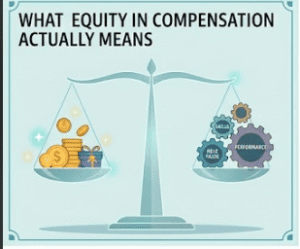
What equity in compensation actually means
Equity in compensation refers to the fair distribution of pay and rewards based on role value, relevant skills, demonstrated performance, and meaningful contribution — while recognising that fairness does not always mean uniformity. Organisations that confuse equity with sameness risk demotivating high performers and creating pay structures that fail to reflect the real differences in impact, scope, and responsibility across roles. The goal is not identical pay — it is defensible, consistent, and transparent pay.
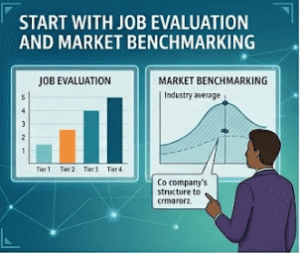
Start with job evaluation and market benchmarking
A strong equity-based reward framework begins with the foundations: clear role definitions, consistent grading structures, and regularly updated market data. When employees understand how roles are valued relative to one another and to the external market, pay decisions become easier to explain, easier to defend, and far more likely to be perceived as fair — even when outcomes differ.
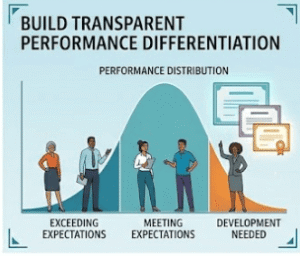
Build transparent performance differentiation
Equity demands that reward outcomes reflect measurable contribution and real impact. This requires transparent performance criteria, well-trained managers who apply them consistently, and calibrated appraisal processes that actively reduce bias. Where the link between performance and reward is weak, inconsistent, or opaque, perceptions of inequity emerge quickly — and once established, they are very difficult to reverse.
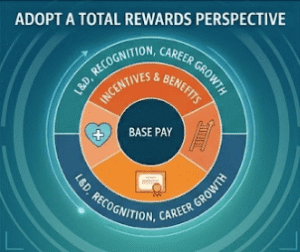
Adopt a total rewards perspective
Compensation should be understood holistically. Reward systems are most effective when they align with the factors that genuinely motivate employees and encourage long-term commitment. Base pay, short and long-term incentives, benefits, learning and development opportunities, formal and informal recognition, and career growth pathways are all part of the reward picture. Employees at different life stages and career levels place different value on different components of this picture. Flexible reward frameworks that acknowledge this diversity allow organisations to meet diverse needs without proportionally inflating fixed costs.
Communicate openly and honestly about reward
Communication is often the weakest link in compensation equity. Even well-designed reward systems fail to build trust when employees do not understand them. HR leaders must be able to clearly explain the organisation’s reward philosophy, the principles behind pay decisions, and how review processes work. Honest, respectful conversations — even when the outcome is not what an employee hoped for — build far more trust than opacity or vague reassurances. This level of transparency reflects a people-first leadership approach that prioritises fairness, trust, and employee wellbeing.

Audit regularly and act on what you find
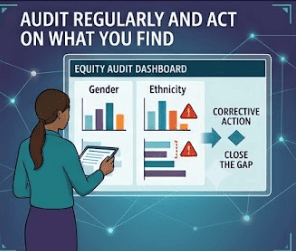
Organisations must conduct regular pay equity reviews, including gender and diversity analyses and internal consistency checks. These audits surface gaps before they become reputational risks, legal liabilities, or retention problems. Embedding audit practices into the annual HR calendar signals that equity is an ongoing commitment, not a one-time exercise.
When equity is embedded into compensation and reward planning, organisations benefit from higher engagement, stronger retention, and improved performance. Fair reward systems do more than pay employees — they affirm dignity, reinforce trust, and lay the foundation for the kind of long-term loyalty that no retention bonus can manufacture. When combined with strong wellbeing initiatives and opportunities for professional growth, equitable compensation becomes a powerful driver of organisational performance.
Build for fairness, and performance will follow.
References
- SHRM (2023). Total Rewards Strategy and Pay Equity.
- CIPD. Reward Management and Pay Transparency.
- Harvard Business Review. Compensation Fairness and Employee Trust.
- Gallup (2024). Pay and Engagement in the Global Workplace.
- International Labour Organization. Equal Pay and Fair Compensation Frameworks.
Frequently Asked Questions
What is equity in compensation?
Equity in compensation is the practice of ensuring employees receive fair and consistent pay based on factors such as role value, skills, experience, performance, and contribution to organisational goals.
Why is compensation equity important?
Compensation equity helps build trust, improve employee engagement, strengthen retention, and reduce the risk of pay-related disputes, discrimination claims, and reputational damage.
What is the difference between pay equity and equal pay?
Equal pay means providing the same pay for the same or substantially similar work. Pay equity is broader and focuses on ensuring compensation decisions are fair, objective, and free from unjustified disparities across the organisation.
How can organisations improve compensation equity?
Organisations can improve compensation equity through job evaluations, market benchmarking, transparent pay structures, regular pay audits, performance calibration processes, and clear communication about reward decisions.
What is a total rewards strategy?
A total rewards strategy includes all forms of employee compensation and recognition, including salary, bonuses, benefits, career development opportunities, learning programmes, recognition initiatives, and workplace flexibility.
How often should companies conduct pay equity audits?
Most organisations should conduct compensation and pay equity reviews at least annually. Regular audits help identify disparities early and ensure reward practices remain fair and competitive.
How does compensation equity affect employee retention?
Employees who believe compensation decisions are fair are more likely to remain engaged, committed, and loyal to their employer. Perceived inequity, on the other hand, is a major driver of dissatisfaction and turnover.